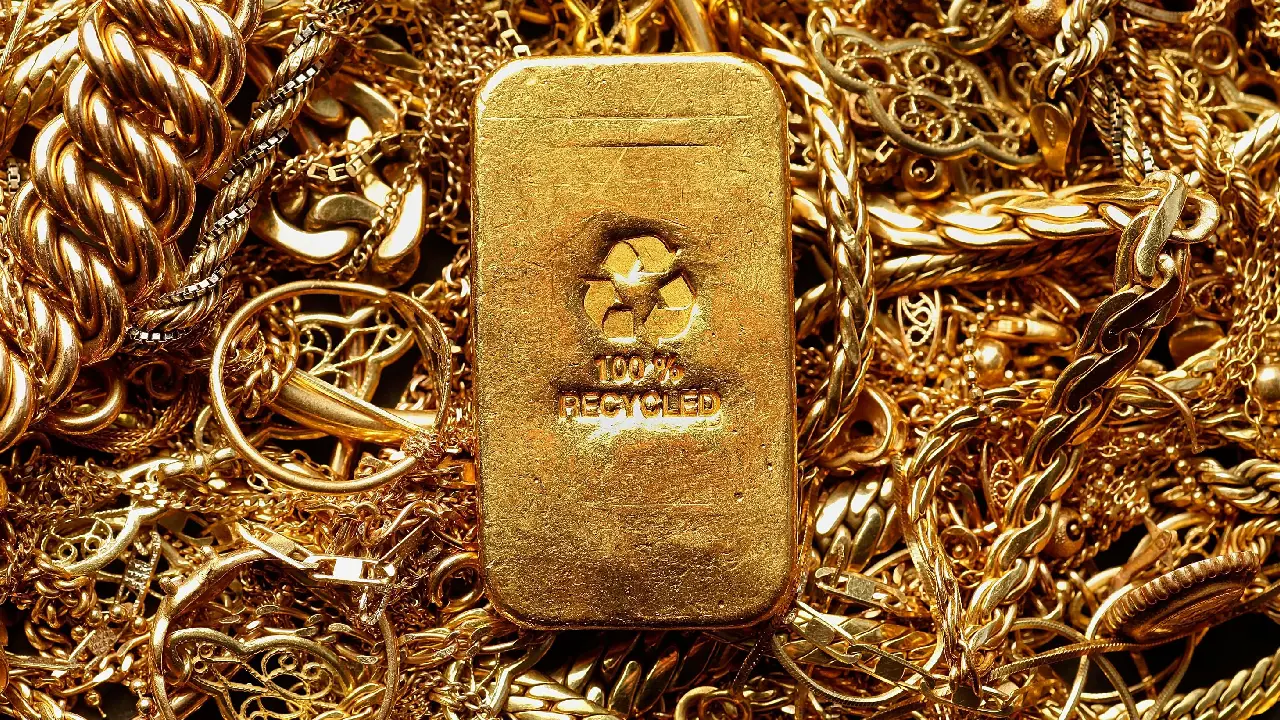

China’s fast-rising gold prices are triggering an unexpected industrial boom: gold recycling. Across the country, hundreds of new businesses are entering the trade of buying, refining and reselling used gold jewellery, bars and industrial scrap as investors rush toward safe-haven assets during a volatile global economic cycle.
Fresh data from Chinese corporate tracker Qichacha shows that registrations of gold recycling firms surged nearly 79 per cent in 2025 compared with the previous year, marking the industry’s fastest expansion in a decade. Analysts say the sector’s rapid rise reflects not only the soaring value of bullion but also a deeper transformation in Chinese consumer and investment behaviour.
The gold recycling industry in China involves companies purchasing old jewellery, bullion, electronic waste and unused precious metal products before refining and reintroducing them into the market. Traditionally considered a niche business dominated by family-owned jewellers and refinery operators, the sector has now become a magnet for new entrepreneurs and investors.
According to the Qichacha report, around 740 new gold recycling-related businesses were registered in 2025 alone. In just the first few months of 2026, another 488 companies entered the market, suggesting that the momentum is accelerating rather than slowing. More than half of the active firms in the sector are less than three years old, highlighting how quickly the industry has evolved from a small secondary trade into a mainstream commercial opportunity.
The expansion comes amid unprecedented investor demand for gold in China. Rising geopolitical tensions, concerns over global inflation, currency instability and a broader trend toward de-dollarisation have pushed gold prices to historic highs. Spot gold briefly approached US$5,600 per ounce earlier this year before witnessing moderate corrections due to market volatility.
Chinese consumers, long known for viewing gold as both an ornament and a store of wealth, are increasingly treating it as a strategic financial asset. Data from the China Gold Association indicates that demand for gold bars and coins rose more than 35 per cent in 2025, while holdings in domestic gold-backed exchange-traded funds recorded a dramatic increase.
Interestingly, the recycling boom is also tied to changing consumer attitudes in China’s second-hand economy. Younger consumers are becoming more comfortable selling unused jewellery, electronics and luxury products through organised resale platforms. Companies operating in the broader recycling ecosystem are now expanding aggressively into gold recovery services to capture additional market share.
Industry experts believe the southern and eastern regions of China are emerging as the main hubs for this growth due to their dense jewellery markets and established trading networks. Guangdong, Zhejiang and Shanghai have witnessed rising activity in automated gold-buying kiosks and digital valuation services, making gold resale easier and faster for ordinary consumers.
Technology is also reshaping the industry. Chinese researchers and refiners are developing advanced methods to recover gold from electronic waste such as discarded chips, telecom equipment and old SIM cards. Several viral social media demonstrations showing gold extraction from industrial scrap have further fuelled public interest in recycling businesses.
However, analysts caution that the sector still faces significant regulatory and environmental challenges. Gold refining processes can involve hazardous chemicals and high energy consumption, especially in informal recycling setups. Authorities are expected to tighten compliance standards as the industry grows larger and attracts more speculative investment.
There are also concerns about the possibility of fraudulent schemes emerging alongside the gold rush. Chinese media reports have already highlighted increasing cases of counterfeit bullion, exaggerated recycling claims and investment scams linked to surging gold demand.
Despite those risks, the long-term outlook for China’s gold recycling market remains strong. China continues to be one of the world’s largest gold consumers and producers, while its push toward a circular economy is encouraging industries to reuse strategic metals more efficiently. Recycling reduces dependence on fresh mining, lowers material costs and aligns with Beijing’s broader sustainability goals.
For global commodity markets, the trend could have wider implications. A stronger recycling ecosystem in China may gradually reduce pressure on raw gold imports while increasing domestic circulation of precious metals. It may also encourage other Asian economies to strengthen their own recycling infrastructure as investors increasingly view gold as a shield against economic uncertainty.
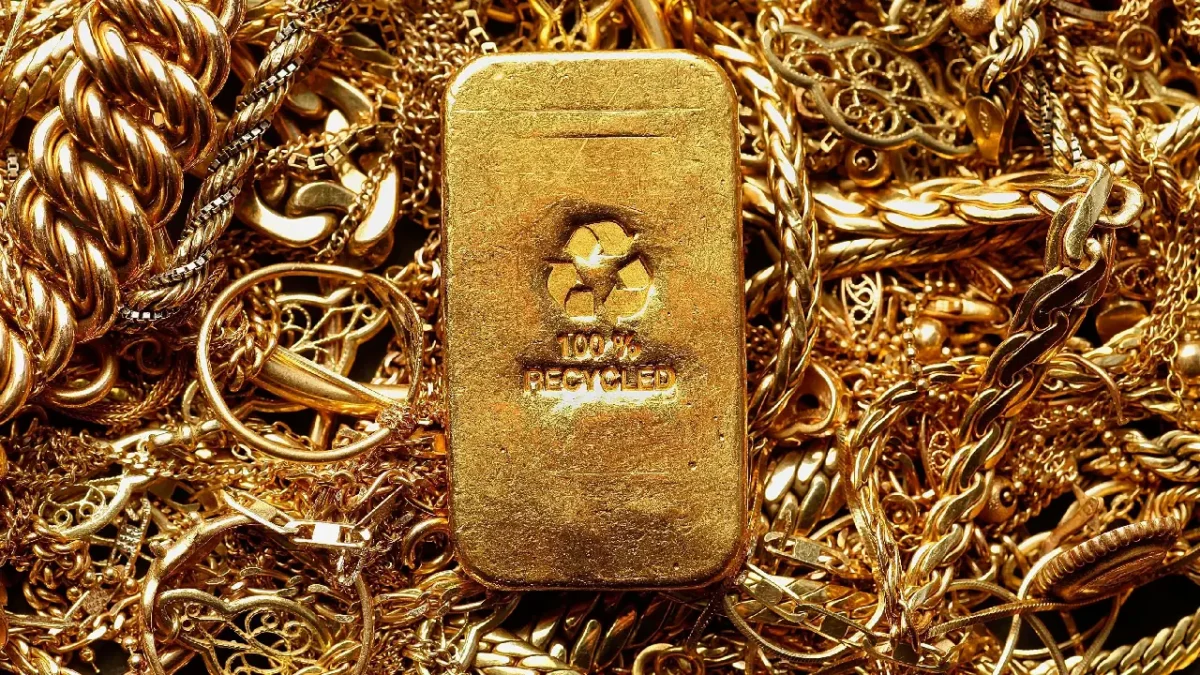
What began as a response to high bullion prices is now evolving into a major industrial movement. China’s gold recycling surge demonstrates how quickly consumer habits, investment sentiment and technological innovation can converge to reshape an entire sector. As economic uncertainty continues to dominate global markets, the country’s newest gold rush may not come from mines — but from recycling bins and old jewellery boxes.